
Print in 2026
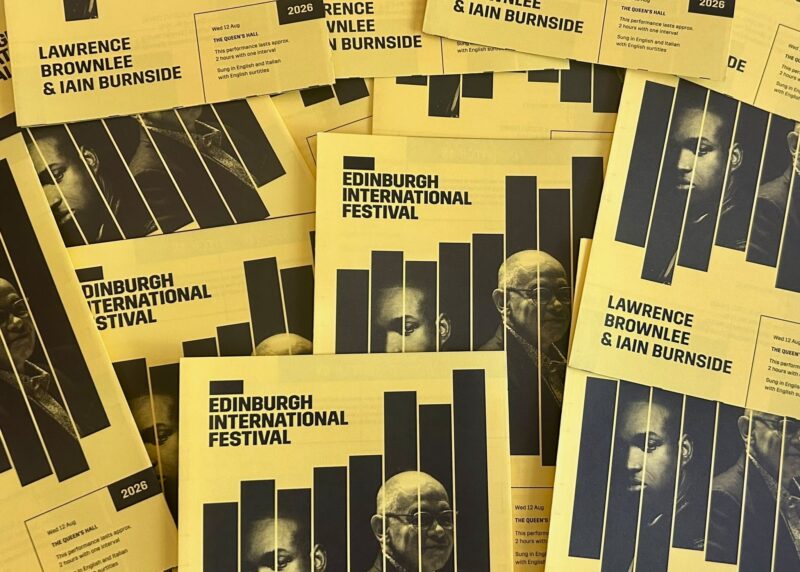
Quite a lot, actually.
Yet there is still some belief that print takes ages, short runs are expensive, digital print isn't good enough, and if you're not ordering thousands, you may as well not bother.
But with the advances in digital printing, finishing, specialist stocks and print technology, it means that businesses can be more flexible with what they print, how much they print and how quickly they can get it. We thought we’d debunk some myths around print to help you get a clearer picture of how it can help you and your business.
Myth 1 - Printing always takes a week (or more)
Not necessarily. Depending on the product, stock, finishing and how quickly you can supply print-ready artwork, some jobs can be turned around the same day or within 24 hours. Obviously, not everything can be produced at the drop of a hat. A highly bespoke piece with specialist finishing needs more planning than a batch of standard flyers.
If you're working to a tight deadline, tell us upfront. Choosing readily available stock, standard sizes and straightforward finishing can help speed things up. And if you want something more bespoke, just give us a little more notice.
Myth 2 - Same-day printing means lower quality
Modern digital presses can produce excellent quality, and a fast turnaround is often about having the right equipment, workflow and production process in place, not about cutting corners.
The important thing for you to know that is that we will work with the right printer to ensure your project can be all done under one roof to keep to your timescales.
Myth 3: Short runs are always too expensive
Digital printing has made shorter print runs much more accessible. You don't necessarily need to order thousands to get good value from print. We will always advise you to print what you need as this makes much more sense than filling a cupboard with materials that are out of date six months later.
Short runs are particularly useful for:
- New product launches
- Events and exhibitions
- Seasonal packaging
- Welcome packs
- Targeted campaigns
- Testing different designs or messages
Myth 4: Digital printing can't look premium
It most definitely can. Digital print has come a long way. The right combination of stock, colour, design and finishing can create a genuinely premium result. Think tactile laminates, clear or white ink, digital foiling, metallic effects and bespoke shapes, alongside beautiful papers and boards.
Premium print isn't simply about which printing process you use. It's about making the right choices for the finished piece.
Consider:
- Heavier or specialist stocks
- Textured or uncoated papers
- Soft-touch or tactile laminates
- Specialty inks
- Foiling and metallic effects
- Quality finishing
- Good design with plenty of breathing space
Myth 5: Litho is always better than digital
Litho printing remains an excellent choice for larger volumes and certain colour-critical projects. But digital printing can be the better option when you're looking for shorter runs, speed, flexibility or multiple versions.
As a general rule:
Digital printing works well for:
- Short runs
- Fast turnaround
- Variable data
- Personalised print
- Projects where content changes regularly
Offset printing works well for:
- Larger print volumes
- Longer campaigns
- Consistent, high-volume production
- Projects where the economics work better at scale
It's not about one being better, it's about choosing the right process for the job.
Myth 6: The thicker the paper, the better the print
A heavier stock can give a business card, brochure or invitation a premium feel, but thicker isn't automatically better.
The right stock depends on what you're producing and how it's going to be used. For example:
Everyday print: lightweight and practical for flyers, inserts and handouts.
Brand-led print: thicker, textured, uncoated or premium stocks where the feel matters.
Print that needs to work hard: durable boards, laminated stocks or synthetic materials for packaging, signage and items that will be handled frequently.
We’ll spend time with you to understand what the finished product needs to do and advise you on the right stock.
Myth 7: RGB and CMYK don't really matter
Your screen creates colour using RGB light. Print generally uses CMYK inks. That means the bright, vibrant colour you see on your monitor may not reproduce exactly on paper. This is particularly noticeable with very bright blues, greens and neon-style colours.
If there’s any concern over brand colours then we can find solutions to run out a test prior to printing the job.
Myth 8: Finishes are just a nice-to-have
Finishes are often the bit that makes the print. The right finish can improve durability, create a particular tactile experience or help your printed piece stand out. For example:
- Matt or soft-touch: understated, premium and tactile
- Gloss: vibrant colour and strong contrast
- Lamination: added durability for items that get handled
- Foiling and metallic effects: a little extra impact
- White ink: useful for creating striking effects on coloured or clear materials
- Custom shapes: great for making packaging, signage or promotional materials more memorable
Myth 9: Print isn't effective anymore because everything is digital
We hear this one a lot. Digital marketing hasn't killed print. If anything, having something physical can make your marketing more noticeable.
When your audience is surrounded by emails, social posts, online adverts and notifications all day, a well-produced piece of print offers something different.
And print doesn't have to work alone.
Some of the most effective campaigns combine the physical and digital worlds:
- Packaging with QR codes linking to online content
- Printed mailers driving customers to a landing page
- Exhibition materials supporting digital lead generation
- In-store signage promoting online offers
- Printed brochures linking to video or product demonstrations
Short runs, quick turnaround, digital printing, specialist finishing and bespoke packaging mean you can create exactly what you need – without automatically committing to huge quantities or lengthy lead times.
And that's where good print management comes in. At Bright Green Print, we help businesses work out what they actually need, find the right production method and manage the process from artwork through to finished product.
If you've got a project in mind, big or small, let's talk about it.